
Download PDF


Styropan
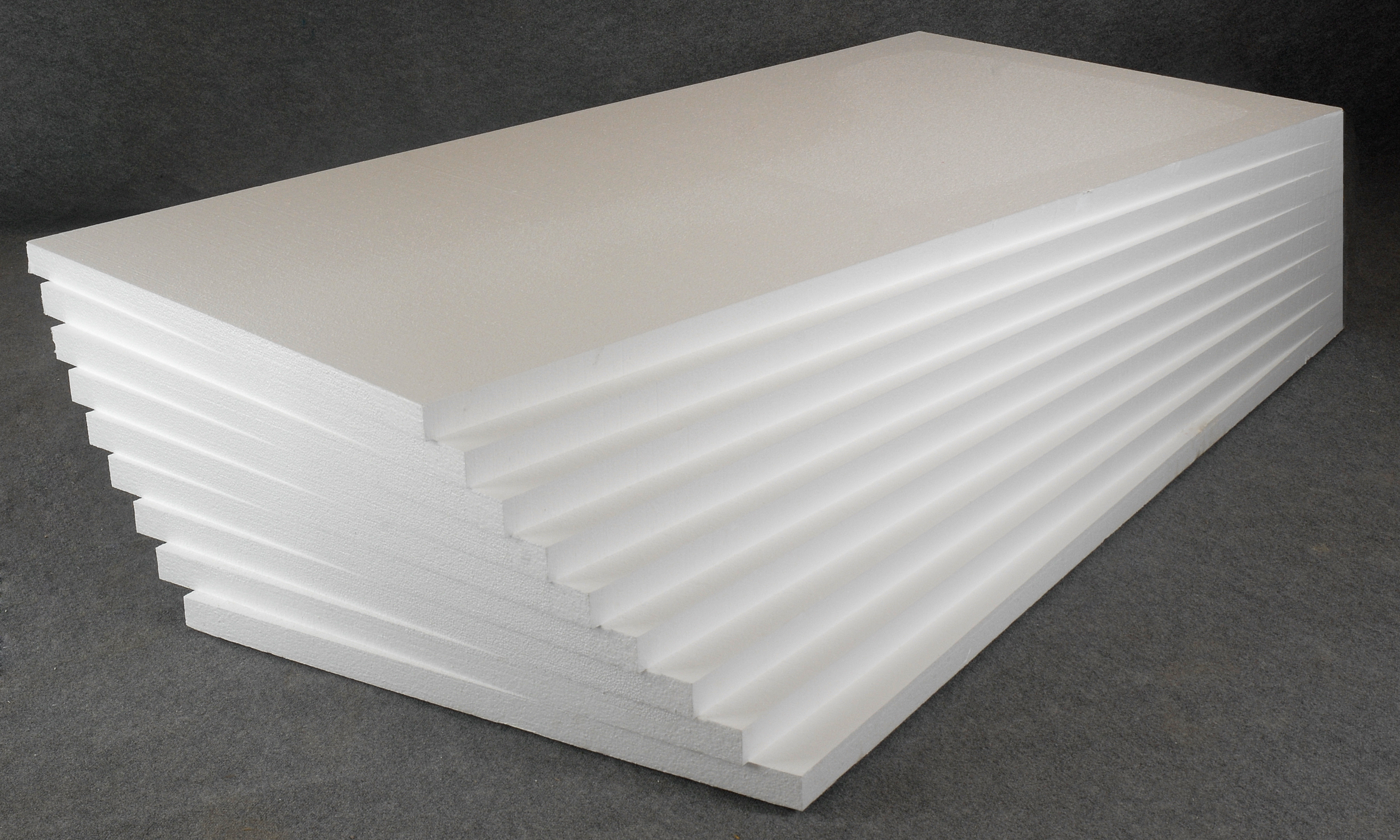
Styropan EPS boards are manufactured by KILZI using advanced production technology to ensure consistent quality and high thermal‑insulation performance. As a highly efficient insulating material composed of 98% air and only 2% raw material, Styropan delivers excellent thermal resistance through its closed‑cell structure, effectively reducing heat transfer and maintaining stable indoor temperatures. Its lightweight yet durable composition makes it suitable for a wide range of applications, including walls, roofs, floors, cold‑storage facilities, under‑floor heating systems, and other energy‑efficient building solutions. Styropan are available in multiple densities ranging from 10 to 60 kg/m³, each offering different levels of compressive strength to meet diverse structural and insulation requirements.
Technical Characteristics
-
Board Dimensions: 2x1m or 1x0.5m
-
Density: 10 to 60 Kg/m3
-
Thermal Conductivity: 0.031 W/(mK)
-
Thickness: Any thickness is available
Key Advantages
-
Styropan EPS Boards offers outstanding thermal insulation due to its low thermal conductivity and uniform closed‑cell composition.
-
It is lightweight, easy to handle, and simple to cut or shape on‑site, making installation fast and cost‑effective.
-
EPS maintains dimensional stability over time, resists moisture absorption, and provides long‑lasting performance without degrading.
-
Its versatility allows it to be used in a wide range of construction systems, from building envelopes to industrial refrigeration.
Sustainability
-
EPS is composed of 98% air and only 2% raw material, making it one of the most resource‑efficient insulation materials available.
-
EPS significantly reduces heating and cooling demands, lowering long‑term energy consumption and operational carbon emissions.
-
EPS is fully recyclable and can be reprocessed into new insulation products or other plastic applications, supporting circular‑economy practices.
-
With its long service life and low environmental impact, EPS contributes to sustainable, energy‑efficient building design.