
Download PDF


K-Beads
K‑Beads EPS are versatile expanded polystyrene granules widely used across the packaging, construction, and agricultural sectors. These lightweight, pearl‑shaped beads can be offered in fire‑retardant grades and produced with a closed‑cell structure that ensures excellent insulation and durability. They are available in sizes typically ranging from 3 to 12 mm, with an apparent density of 12–13 kg/m³. K‑Beads are offered in two varieties: virgin beads, which are smooth and perfectly spherical, and re‑ground beads, produced by recycling larger EPS blocks into smaller particles an environmentally responsible option that supports material reuse.
In construction, K‑Beads are commonly incorporated into lightweight screed mixes and concrete formulations to reduce density and improve thermal performance. Their low weight and insulating properties help lower structural loads and enhance energy efficiency. In agriculture, these beads are valued for improving soil aeration, drainage, and root development, making them suitable for potting mixes, planting beds, and general soil conditioning.
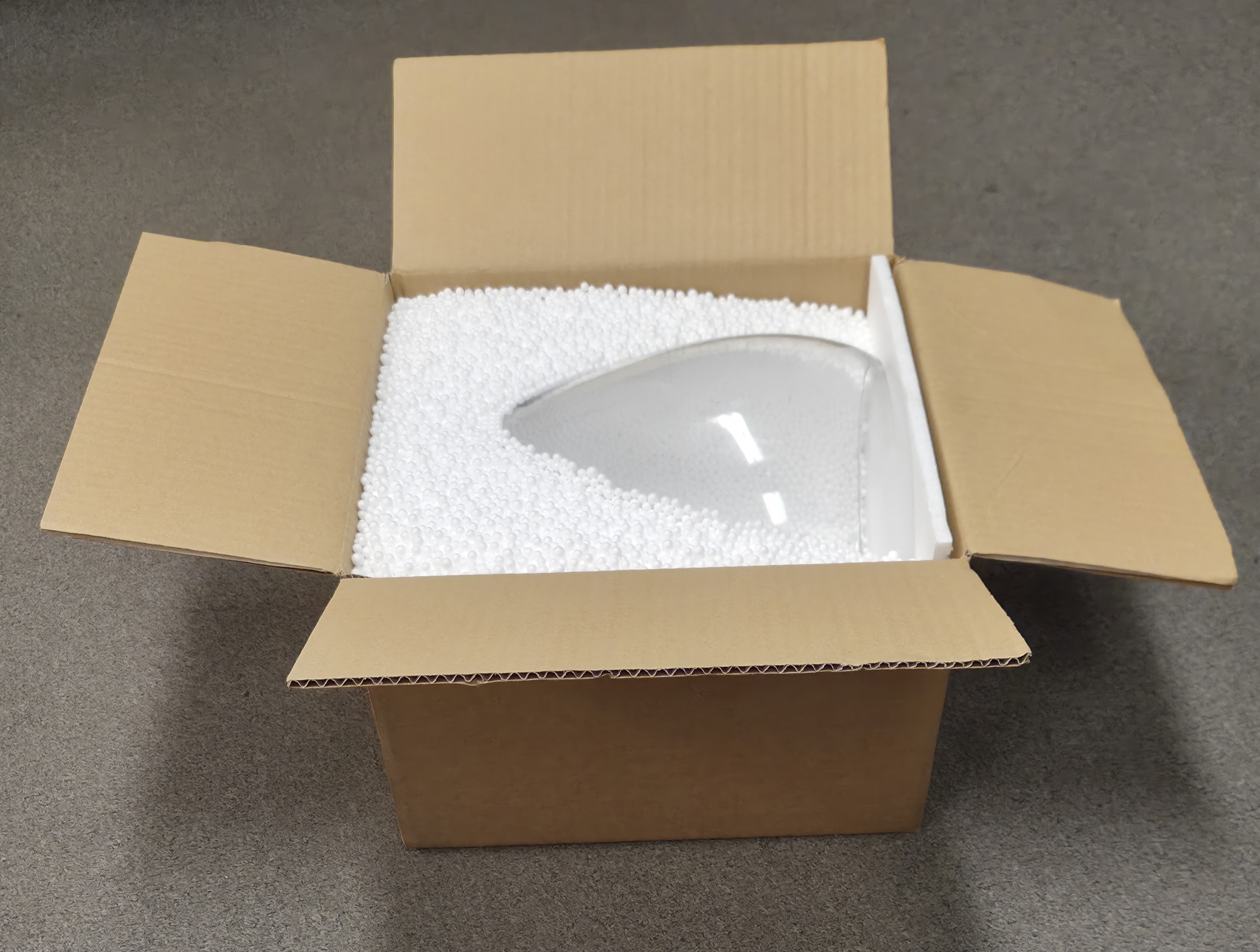
K‑Beads are also widely used in packaging applications, where their cushioning ability protects delicate items during transport and storage. Their resilience, moisture resistance, and ability to conform around irregular shapes make them an excellent loose‑fill material. Additionally, K‑Beads are a popular filling for bean bags and soft seating products, providing comfort, flexibility, and long‑lasting support.
Technical Characteristics
-
Bead Size: 3 to 12 mm
-
Standard Density: 12-13Kg/m3
Applications
-
Lightweight concrete mixes
-
Bean bag and soft seating filling
-
Precast components
-
Loose‑fill packaging
-
Protection for fragile items
-
Decorative uses
-
Toy filling
-
Soil aeration and gardening
-
Flowerpots and planting beds
-
Landscaping and soil‑lightening
Key Advantages
-
Extremely low water absorption
-
Compatible with ready‑mix and pumping systems
-
Fire‑retardant grade possibility
-
CFC and HCFC free
-
Lightweight and cost‑effective
-
Compatible with natural and synthetic soils
-
Does not decompose
Sustainability
-
EPS is composed of 98% air and only 2% raw material, making it one of the most resource‑efficient insulation materials available.
-
EPS significantly reduces heating and cooling demands, lowering long‑term energy consumption and operational carbon emissions.
-
EPS is fully recyclable and can be reprocessed into new insulation products or other plastic applications, supporting circular‑economy practices.
-
With its long service life and low environmental impact, EPS contributes to sustainable, energy‑efficient building design.